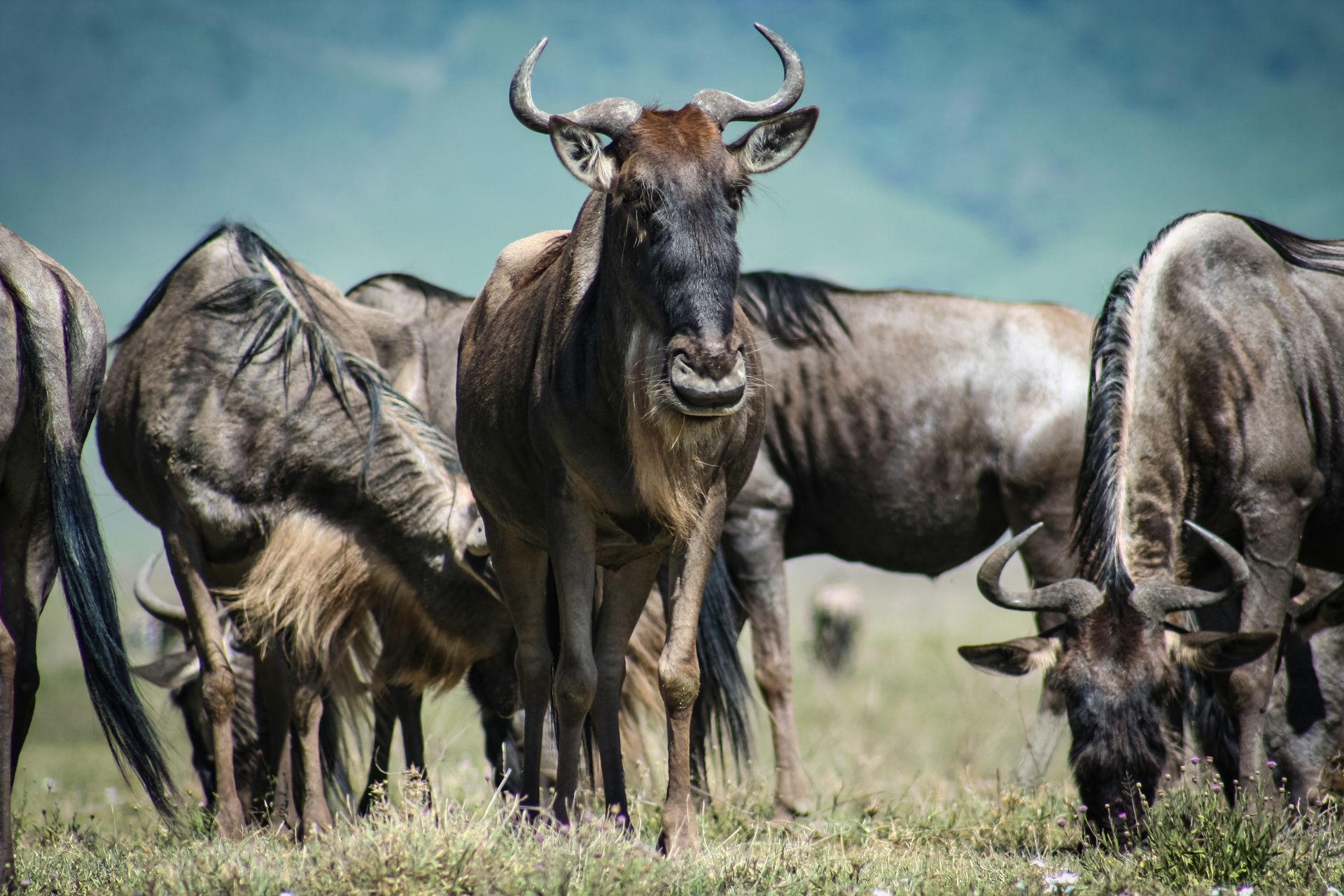
Tanzania’s most iconic big cat country, where endless plains, kopje-studded horizons and seasonal migration drama define the safari rhythm. A safari here is best understood through its setting, rhythm and the kind of traveller it rewards. It may be a headline wildlife area, a specialist extension or a quieter pause between bigger safari chapters, but it has a clear role when chosen for the right reason.

Central Serengeti
Central Serengeti is predator-rich and reliable year-round, with kopjes, plains and strong lodge access.
Northern Serengeti
The north is important for Mara River crossings in season and has a quieter, more remote feel outside peak movement.
Southern and western Serengeti
Southern plains and western corridors matter seasonally, especially around calving, migration movement and riverine habitat.
The Serengeti delivers lion, cheetah, leopard, hyena, elephant, giraffe, buffalo and the Great Migration’s wildebeest and zebra herds across a vast seasonal system.
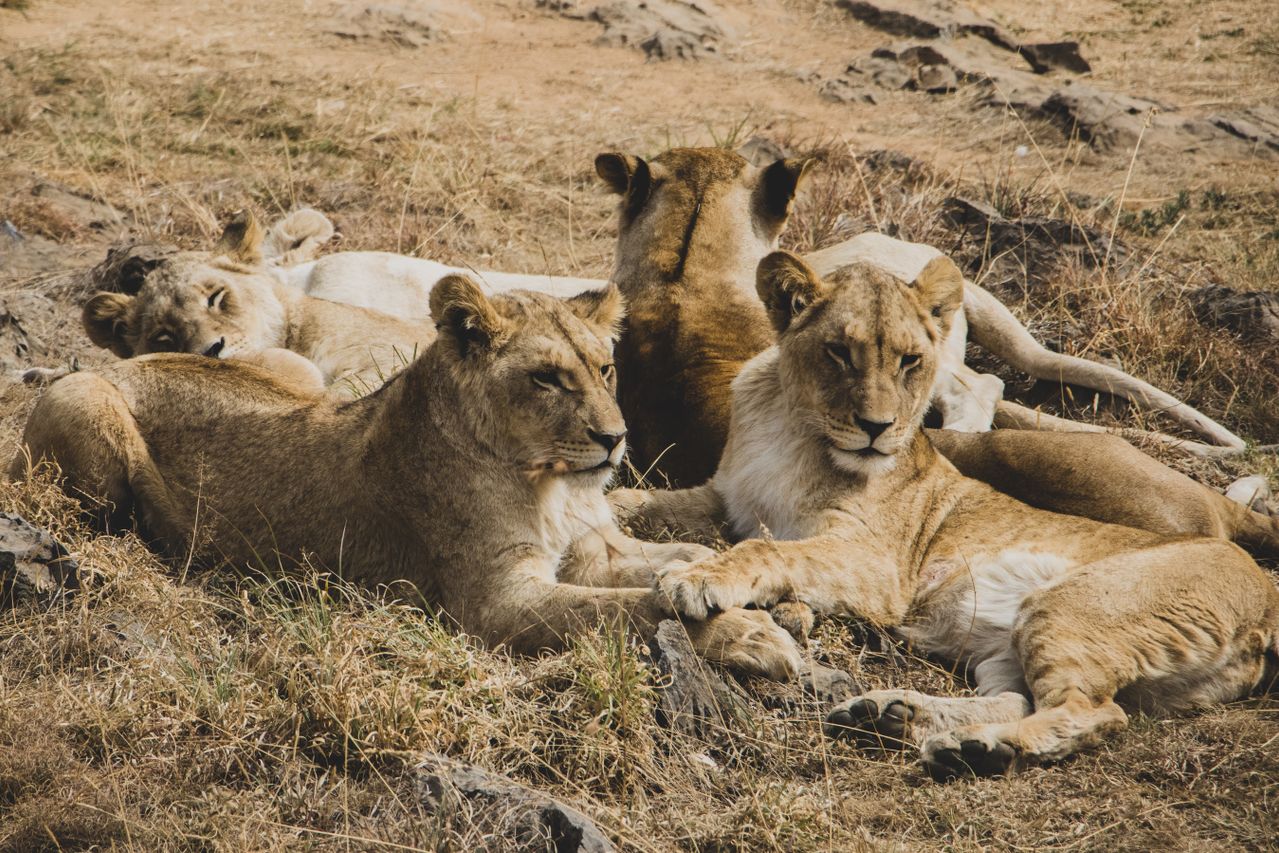
Serengeti National Park — Tanzania's lion stronghold
The Serengeti holds approximately 3,000 lions — one of the highest concentrations in Africa, sustained year-round by the wildebeest migration and the resident prey base. Tanzania as a whole holds approximately 40% of Africa's wild lions. The Serengeti's lion population is closely monitored by the Serengeti Lion Project, which has tracked prides continuously since 1966 — the longest-running predator study on earth.
Tanzania works year-round, but the answer depends on which region you visit and what you want to see.
June to October is peak dry season. Vegetation thins, animals cluster around water, and the northern Serengeti delivers its most dramatic wildlife as herds cross into Kenya's Mara. Prices are highest and the best camps book 6–12 months ahead.
January to March is the most underrated window. The southern Serengeti calving season brings intense predator action, the light is extraordinary for photography and visitor numbers are much lower than the peak.
Late March to May brings green landscapes and lower rates, but some camps close entirely as this is the rainy season. November and early December offer a sweet spot: short rains, calving herds returning south, and competitive pricing.
For UK families: July–August aligns with peak northern Serengeti migration. October half-term catches the tail end. Easter falls in the variable rain period and Tarangire and Ngorongoro are more reliable than the Serengeti in April.

Tanzania’s lodge range is broad, from classic mobile camps and migration-positioned tents to remote southern camps and polished crater or highland lodges.
The strongest Serengeti lodges are recognised for how well they interpret the landscape, not only for comfort. In practice, the most meaningful acclaim comes from excellent guiding, sensitive design, conservation credibility and the ability to make this specific place feel coherent to travellers.
Serengeti suits travellers who want a safari with clear landscape identity and strong wildlife purpose.
First-timers often value the classic East African rhythm, while repeat travellers should choose the exact sector or season carefully.
Couples, photographers and families can all be well served when the lodge location matches the experience they are actually hoping for.
From the UK, travellers usually fly into Kilimanjaro, Arusha or Dar es Salaam, depending on whether the itinerary focuses on the northern or southern circuit.
Light aircraft is common for Serengeti, Ruaha, Nyerere and Mahale combinations, while northern circuit road routing can work well.
Most travellers should allow at least three nights if Serengeti is the main safari focus. Two nights can work as part of a wider route, but three gives enough time for different light, weather and wildlife patterns to emerge.
The best timing depends on the main reason for going. Dry months usually improve wildlife visibility in many safari areas, while green season can bring softer light, fewer visitors, birdlife and a more atmospheric landscape.
Serengeti can work for a first safari if its strengths match the traveller. It is important to choose it for the right reasons, rather than expecting every destination to deliver the same kind of wildlife density or lodge style.
The best lodge is usually the one with the strongest location, guiding and rhythm for the experience you want. Price and polish matter, but they should not outrank access, seasonality and how the lodge uses its surrounding landscape.
Yes, but the combination needs to preserve safari time rather than simply look interesting on a map. The best pairings are those with practical transfers and a clear contrast in wildlife, landscape or activity style.
The main trade-off is expectation management. Serengeti has a clear role, but it may not deliver every safari priority at once. A good itinerary leans into what the area does best instead of forcing it to behave like somewhere else.


As an independent partner of 360 Private Travel, eligible flight-inclusive holidays booked through us are financially protected by 360 Private Travel Ltd under the UK ATOL scheme, ATOL number 7514. 360 Private Travel Ltd is also IATA accredited under IATA number 91200056.
Qualifying flight-inclusive holidays are financially protected under the UK ATOL scheme, where applicable. You will receive an ATOL Certificate confirming the protection covering your individual booking.



.png)

