
Kenya’s Rift Valley lakes bring a different rhythm — flamingos, escarpments, hot springs and birdlife-rich water between the country’s bigger safari chapters. A safari here is best understood through its setting, rhythm and the kind of traveller it rewards. It may be a headline wildlife area, a specialist extension or a quieter pause between bigger safari chapters, but it has a clear role when chosen for the right reason.

.jpg)
Lake Nakuru
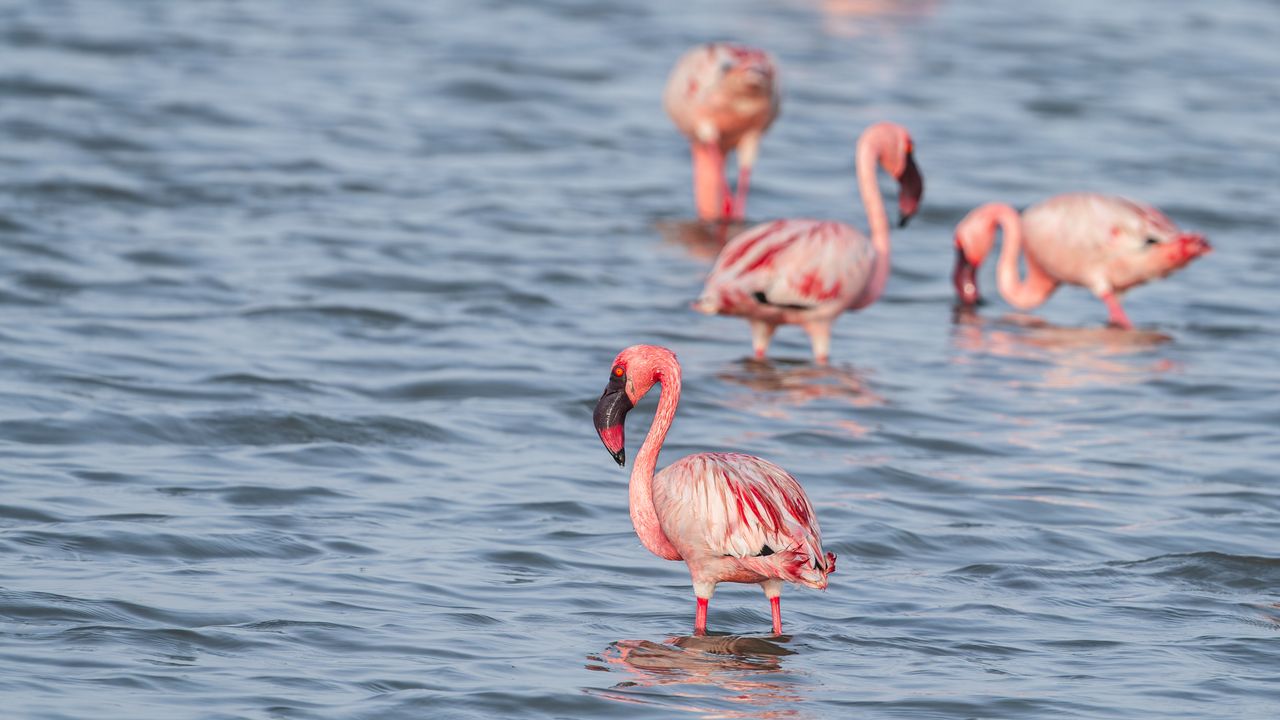
Nakuru is known for rhino, birdlife and lake scenery, with flamingos appearing when conditions suit.
Lake Naivasha
Naivasha brings boat trips, hippo, birds and easy access to walking or cycling areas nearby.
Lake Turkana
Lake Turkana is Kenya’s remote jade-green desert lake, where volcanic shores, archaeological depth, and stark Rift Valley wilderness create one of East Africa’s most elemental landscapes.
Bogoria, Baringo and Elementaita
These lakes add hot springs, flamingo potential, escarpment views and a softer break between bigger safari regions.
The lakes are strongest for birds, flamingos when conditions suit, rhino at Nakuru, hippo at Naivasha and easy wildlife around water and escarpment habitats.
The short answer: Kenya works almost all year-round, but July to October is peak season for a reason. The Great Migration is in the Mara during these months, vegetation is low and animals concentrate around water sources. This is also when prices are highest and conservancy camps book out 6–12 months ahead.
January and February are the most underrated months. The Mara’s resident wildlife is still excellent, the light is extraordinary for photography, and you will typically pay 20–30% less than peak season rates.
Green season (April–May) brings rain, lush landscapes, and newborn animals but some camps close entirely. November and early December offer a sweet spot: short rains, lower prices, and calving season on the Mara’s southern plains. Late December into the first week of January see peak pricing again however.
For families constrained by school holidays, the July–August summer break aligns with peak migration. October half-term catches the tail end. Easter falls in green season — Laikipia and Samburu are better bets than the Mara during this period.

Lodges here range from classic tented camps to refined conservancy lodges and private houses, with the best choices balancing strong guiding, wildlife access and a clear sense of place.
The strongest Rift Valley Lakes lodges are recognised for how well they interpret the landscape, not only for comfort. In practice, the most meaningful acclaim comes from excellent guiding, sensitive design, conservation credibility and the ability to make this specific place feel coherent to travellers.
Rift Valley Lakes suits travellers who want substance, guiding depth and a safari that feels connected to its landscape.
It is especially rewarding for guests who are comfortable with a little more texture and less formula than the most obvious safari circuits.
Families and couples can both enjoy it when the lodge style and transfer plan are matched carefully.
From the UK, most trips route through Nairobi, then continue by light aircraft or road depending on distance and itinerary style.
For luxury safaris, flying between parks usually preserves more time in the bush, while road transfers can work well on shorter circuits or budget-sensitive trips. Loldia House is approximately a 2 hour drive from Nairobi.
Most travellers should allow at least three nights if Rift Valley Lakes is the main safari focus. Two nights can work as part of a wider route, but three gives enough time for different light, weather and wildlife patterns to emerge.
The best timing depends on the main reason for going. Dry months usually improve wildlife visibility in many safari areas, while green season can bring softer light, fewer visitors, birdlife and a more atmospheric landscape.
Rift Valley Lakes can work for a first safari if its strengths match the traveller. It is important to choose it for the right reasons, rather than expecting every destination to deliver the same kind of wildlife density or lodge style.
The best lodge is usually the one with the strongest location, guiding and rhythm for the experience you want. Price and polish matter, but they should not outrank access, seasonality and how the lodge uses its surrounding landscape.
Yes, but the combination needs to preserve safari time rather than simply look interesting on a map. The best pairings are those with practical transfers and a clear contrast in wildlife, landscape or activity style.
The main trade-off is expectation management. Rift Valley Lakes has a clear role, but it may not deliver every safari priority at once. A good itinerary leans into what the area does best instead of forcing it to behave like somewhere else.

As an independent partner of 360 Private Travel, eligible flight-inclusive holidays booked through us are financially protected by 360 Private Travel Ltd under the UK ATOL scheme, ATOL number 7514. 360 Private Travel Ltd is also IATA accredited under IATA number 91200056.
Qualifying flight-inclusive holidays are financially protected under the UK ATOL scheme, where applicable. You will receive an ATOL Certificate confirming the protection covering your individual booking.



.png)

.jpg)