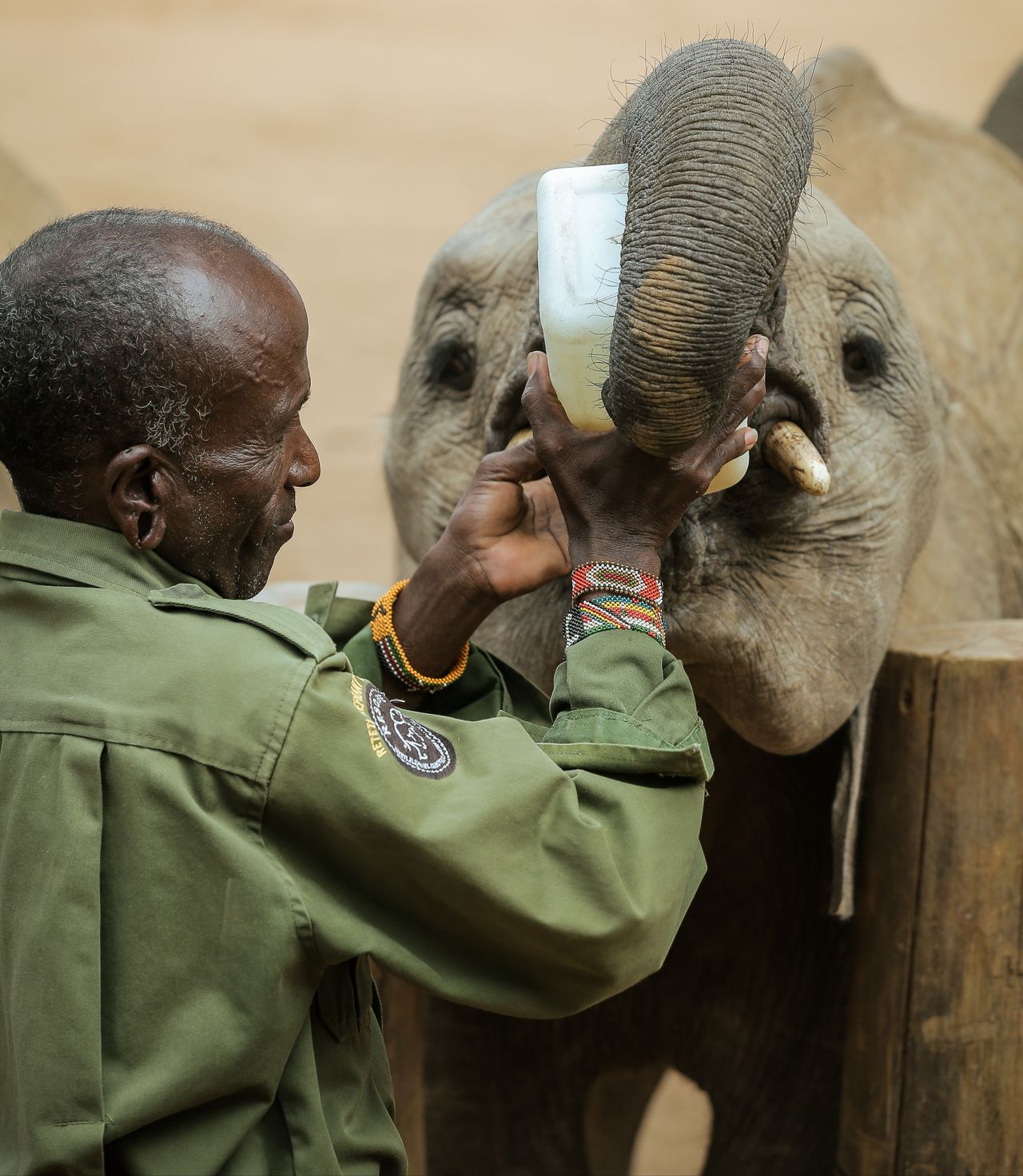
Reteti Elephant Sanctuary is not a conventional game-drive safari. It is a community-owned conservation project in northern Kenya, known for rescuing and rehabilitating orphaned elephants before returning them to the wild. The experience is strongest when paired with nearby Namunyak and Matthews Range wilderness.
Reteti Elephant Sanctuary
Reteti is the emotional centre of the experience, offering insight into elephant rescue, rehabilitation and community-led conservation. Visits are carefully managed, and the point is understanding the work, not treating orphaned elephants as entertainment.
Namunyak Conservancy
The wider conservancy gives Reteti its meaning. This is Samburu land where wildlife conservation, livelihoods and culture are tightly connected, with elephant movement through dry river systems and remote northern landscapes.
Sarara and Matthews Range Context
Most luxury travellers experience Reteti through nearby camps in the Sarara and Matthews Range area. That pairing turns a conservation visit into a fuller safari of walking, elephant country, Samburu culture and wilderness.
Wildlife around Reteti is shaped by the wider Namunyak landscape. Elephant are the central story, supported by giraffe, gerenuk, kudu, leopard possibilities and strong dry-country birdlife. The sanctuary itself is about conservation access, while the surrounding conservancy provides the broader safari setting.
The short answer: Kenya works almost all year-round, but July to October is peak season for a reason. The Great Migration is in the Mara during these months, vegetation is low and animals concentrate around water sources. This is also when prices are highest and conservancy camps book out 6–12 months ahead.
January and February are the most underrated months. The Mara’s resident wildlife is still excellent, the light is extraordinary for photography, and you will typically pay 20–30% less than peak season rates.
Green season (April–May) brings rain, lush landscapes, and newborn animals but some camps close entirely. November and early December offer a sweet spot: short rains, lower prices, and calving season on the Mara’s southern plains. Late December into the first week of January see peak pricing again however.
For families constrained by school holidays, the July–August summer break aligns with peak migration. October half-term catches the tail end. Easter falls in green season — Laikipia and Samburu are better bets than the Mara during this period.

Reteti has earned international attention as one of Africa’s most compelling community-owned elephant sanctuaries. Its acclaim is less about lodge awards and more about what it represents: local ownership, Samburu conservation leadership and a more responsible model for wildlife protection.
Reteti suits conservation-minded travellers who want to understand how wildlife protection works on the ground.
It is excellent for older children and teenagers when handled thoughtfully, because the conservation story is clear, tangible and emotionally accessible.
It is not the right choice for travellers who want a classic game-drive safari only, or who are uncomfortable with a more educational, purpose-led experience.
From the UK, travellers usually fly into Nairobi, then continue by light aircraft or specialist road-and-air routing into northern Kenya.
Reteti is not generally visited as a quick day trip from Kenya’s main safari circuit. It works best inside a Matthews Range, Samburu or Laikipia itinerary.
Because sanctuary visits depend on operational schedules and responsible access, the experience should be planned through a specialist operator or lodge partner.
Yes, visits may be possible when arranged through the right lodge or operator, but access should be handled responsibly and according to the sanctuary’s schedule. Reteti is a working conservation project, not a casual tourist attraction.
Reteti is primarily a conservation visit. The surrounding Namunyak and Matthews Range area provides the safari landscape, while the sanctuary itself offers insight into elephant rescue, rehabilitation and community-led wildlife protection.
Most travellers visit Reteti as part of a two or three-night stay in the broader Sarara, Namunyak or Matthews Range area. The sanctuary visit is one meaningful element within a wider northern Kenya safari.
Reteti can be very powerful for older children and teenagers, especially those interested in animals and conservation. The experience should be framed respectfully, with emphasis on rehabilitation and local stewardship rather than close-contact entertainment.
Most luxury itineraries route through Nairobi and then use light aircraft or specialist transfers into northern Kenya. Reteti is usually combined with nearby conservancy camps rather than visited independently from the main safari circuit.
Reteti pairs naturally with Sarara, the Matthews Range, Samburu, Lewa or Laikipia. These combinations give travellers the wider context of elephant country, community land and northern Kenya conservation rather than a single isolated visit.

Some of the flights and flight-inclusive holidays booked with Safari Circle are financially protected by the ATOL scheme. If you don’t receive an ATOL certificate, the booking will not be ATOL protected. In the unlikely event of our insolvency, the Civil Aviation Authority (CAA) would ensure that you’re not stranded abroad. They will also arrange to refund any funds you have already paid us towards your booking. You can verify our ATOL status on the Civil Aviation Authority website. Please note, we operate as independent partners to Major Travel (ATOL 2933)
ABTA act as a trade association (both commercial & regulatory) for travel agents and tour operators in the UK. As independent partners to Major Travel, all of our bookings at Safari Circle that contain hotels, tours or car hire but do not include international flights are protected under Major Travel’s ABTA Bond. In the unlikely event of an unresolved dispute between you as a passenger and us/Major Travel, you can use the ABTA arbitration service as an alternative to legal action. You can verify our ABTA number (Y6455, P7169) on the ABTA website.
.png)

.jpg)