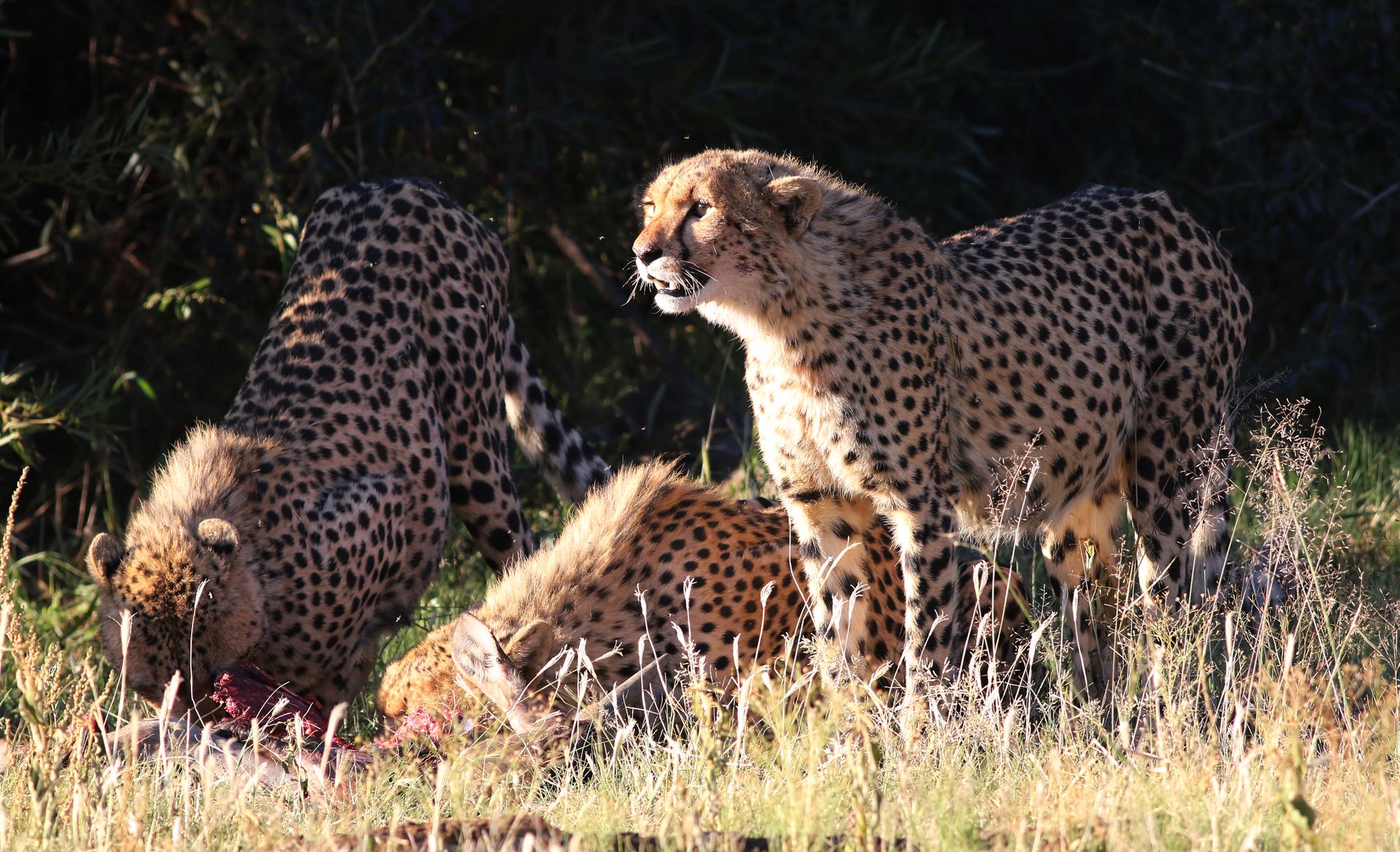
South Africa’s largest private reserve is Kalahari safari at its most rarefied — black-maned lions, pangolin, meerkats and space in every direction. A safari here is best understood through its setting, rhythm and the kind of traveller it rewards. It may be a headline wildlife area, a specialist extension or a quieter pause between bigger safari chapters, but it has a clear role when chosen for the right reason.
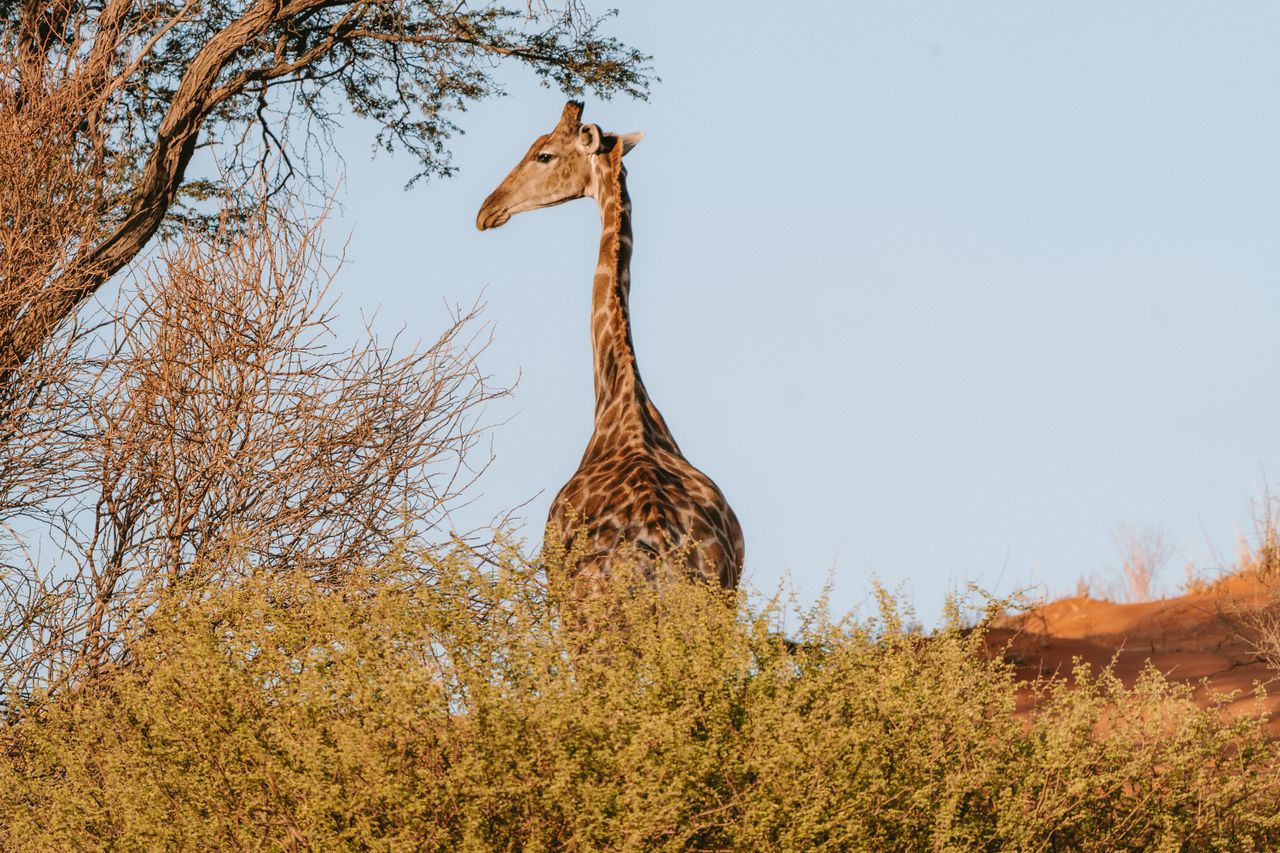
Korannaberg foothills
The mountains and red dunes create Tswalu’s visual identity, with private guiding and huge space around every sighting.
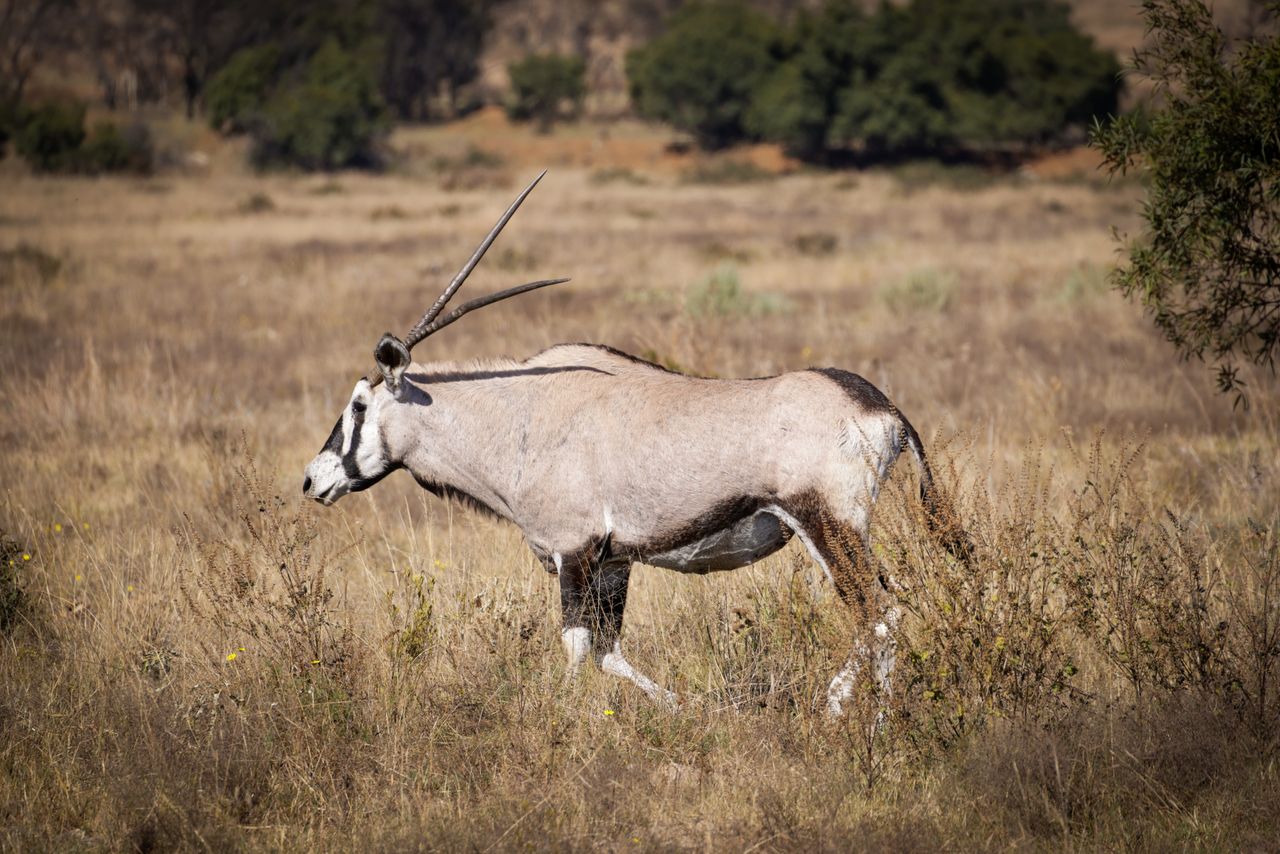
Open Kalahari grasslands
Grasslands support black-maned lion, cheetah, oryx, meerkat and rare nocturnal species.
Conservation research areas
Tswalu’s research-led model makes specialist interests such as pangolin, aardvark and habitat restoration part of the experience.
Tswalu is rare-species country: black-maned lion, cheetah, meerkat, pangolin, aardvark, oryx, sable and desert-adapted life spread across immense space.
South Africa’s seasons are the reverse of the UK’s. The dry winter (May–September) delivers the best game viewing as vegetation thins, animals gather at water and temperatures are comfortable during the day but cold on early drives. May to August is the most underrated window for the Sabi Sands — winter light is exceptional for photography, rates are lower than December peak and animal concentrations around water are at their highest.
October to April brings lush landscapes, newborn animals, and superb birding. The Sabi Sands and Phinda work year-round. Tswalu’s pangolin and aardvark sightings peak in the cooler winter months when these nocturnal species emerge during daylight.
For UK families:December–January falls in South Africa’s peak summer — hot, green, and busy.October half-term and Easter align with shoulder seasons offering good value.

Lodges range from family-friendly safari houses to highly polished private reserve retreats, with strong service, easy logistics and good comfort levels across many budgets.
The strongest Tswalu Kalahari Reserve lodges are recognised for how well they interpret the landscape, not only for comfort. In practice, the most meaningful acclaim comes from excellent guiding, sensitive design, conservation credibility and the ability to make this specific place feel coherent to travellers.
Tswalu Kalahari Reserve works well for first-time safari travellers, families and couples who want strong wildlife with relatively smooth logistics.
It is also useful for multi-generational groups because comfort, private vehicles and flexible lodge styles are easier to arrange.
Repeat travellers should choose carefully, focusing on reserves or lodges that add a distinct conservation, guiding or landscape angle.
From the UK, access is usually via Johannesburg or Cape Town, followed by a scheduled flight, road transfer or charter depending on the reserve.
South Africa is generally one of the easiest safari countries logistically, especially for families and first-time travellers.
Most travellers should allow at least three nights if Tswalu Kalahari Reserve is the main safari focus. Two nights can work as part of a wider route, but three gives enough time for different light, weather and wildlife patterns to emerge.
The best timing depends on the main reason for going. Dry months usually improve wildlife visibility in many safari areas, while green season can bring softer light, fewer visitors, birdlife and a more atmospheric landscape.
Tswalu Kalahari Reserve can work for a first safari if its strengths match the traveller. It is important to choose it for the right reasons, rather than expecting every destination to deliver the same kind of wildlife density or lodge style.
The best lodge is usually the one with the strongest location, guiding and rhythm for the experience you want. Price and polish matter, but they should not outrank access, seasonality and how the lodge uses its surrounding landscape.
Yes, but the combination needs to preserve safari time rather than simply look interesting on a map. The best pairings are those with practical transfers and a clear contrast in wildlife, landscape or activity style.
The main trade-off is expectation management. Tswalu Kalahari Reserve has a clear role, but it may not deliver every safari priority at once. A good itinerary leans into what the area does best instead of forcing it to behave like somewhere else.


As an independent partner of 360 Private Travel, eligible flight-inclusive holidays booked through us are financially protected by 360 Private Travel Ltd under the UK ATOL scheme, ATOL number 7514. 360 Private Travel Ltd is also IATA accredited under IATA number 91200056.
Qualifying flight-inclusive holidays are financially protected under the UK ATOL scheme, where applicable. You will receive an ATOL Certificate confirming the protection covering your individual booking.



.png)

