One of Africa’s great underrated wildernesses — vast, varied and still uncrowded, with Busanga’s floodplains delivering the park at its most cinematic. A safari here is best understood through its setting, rhythm and the kind of traveller it rewards. It may be a headline wildlife area, a specialist extension or a quieter pause between bigger safari chapters, but it has a clear role when chosen for the right reason.

Busanga Plains
Busanga is Kafue at its most cinematic: seasonal floodplains, lechwe, lion and wide horizons that feel utterly different from more famous safari areas.
Central Kafue
Central areas offer woodland, rivers and more accessible year-round safari, often forming the practical base for a Kafue itinerary.
Southern and river sectors
The south and river corridors bring boating, birding and quieter game viewing, rewarding travellers who like variety and low vehicle density.
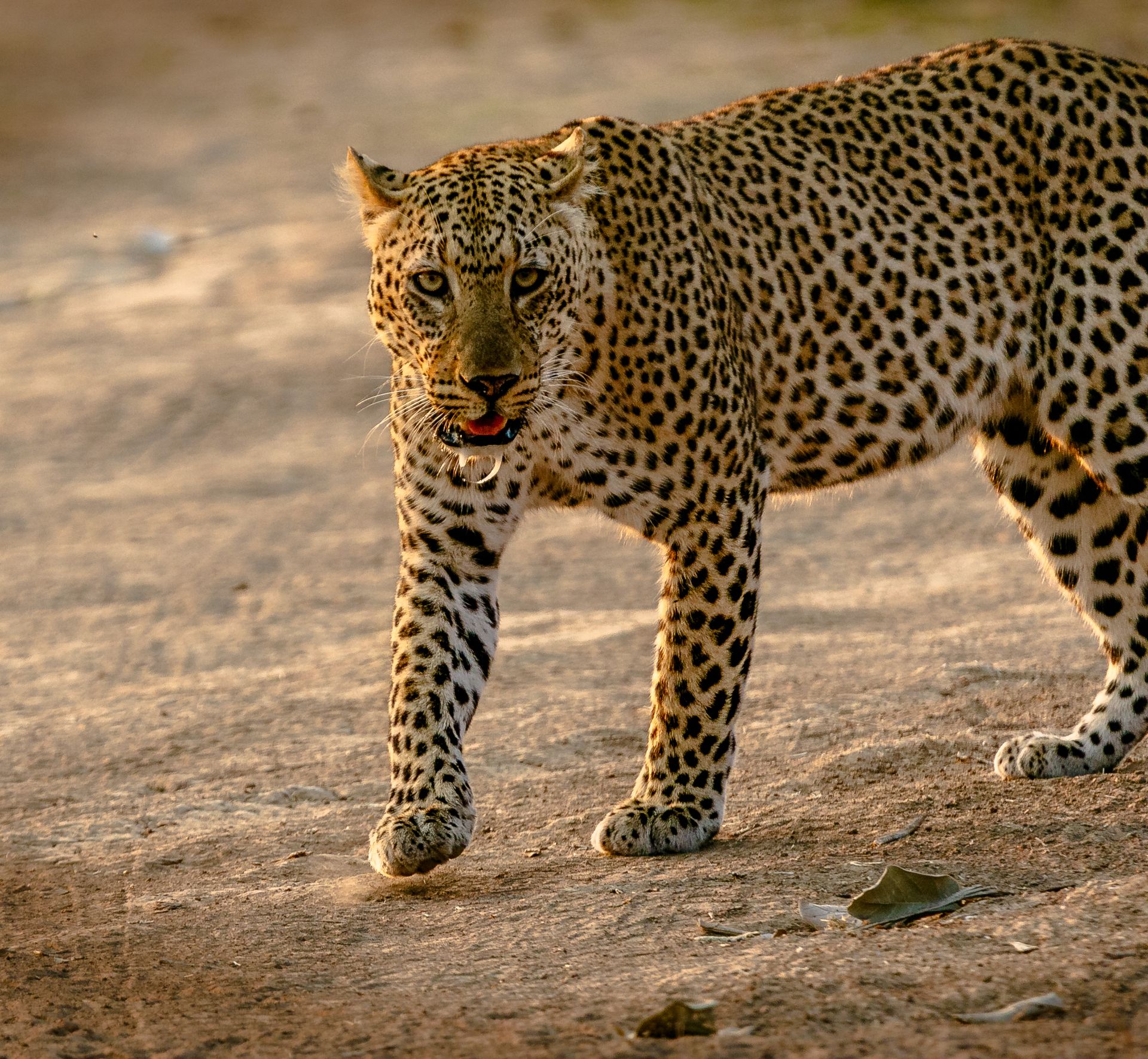
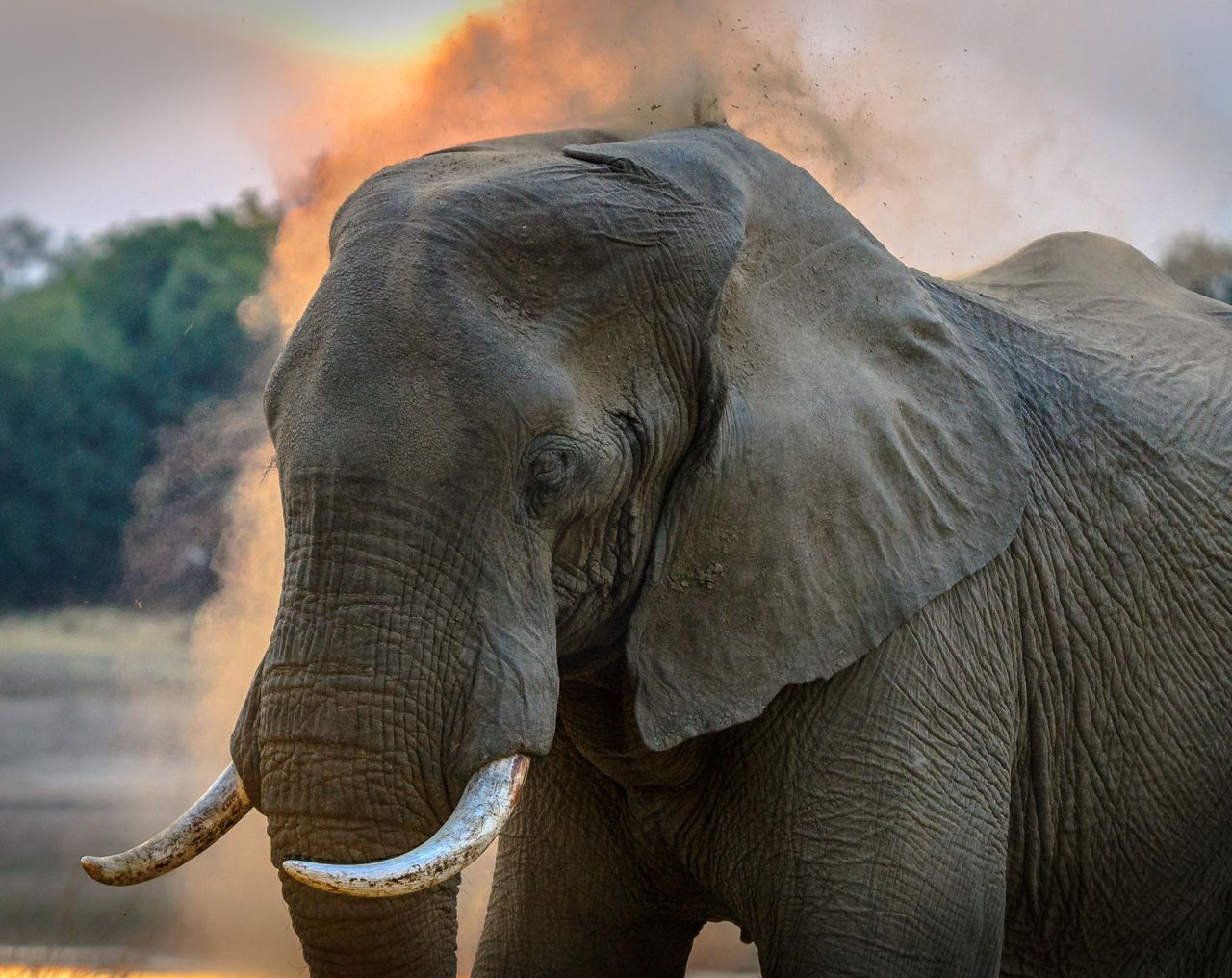
Kafue’s wildlife is wonderfully varied: lion, cheetah, wild dog, leopard, elephant, sable, roan, lechwe and Busanga’s floodplain drama in season.
Zambia’s safari season is tighter than East Africa’s. June to October is the dry season and the window when walking safaris, game viewing, and bush camp access are at their peak. Vegetation thins, animals concentrate at water, and the guiding is at its sharpest. This is also when prices are highest and camps book 6–12 months ahead.
September and October are the hottest months but deliver the strongest game concentrations. Daytime temperatures above 40°C are common in the Luangwa Valley, but early-morning walks and late-afternoon drives work around the heat.
November to May is the rainy season. Many bush camps close entirely — roads flood, rivers rise, and access becomes difficult. Some lodges near Mfuwe in South Luangwa stay open year-round, and the emerald season brings extraordinary birding (over 740 species) and newborn wildlife. But for a walking safari, June to October is non-negotiable.
Victoria Falls is at peak flow from February to May — the opposite calendar to safari season. A combined trip works in June or July, when water levels are still impressive and the parks are fully open.
For UK families: July–August school holidays align with peak dry season. October half-term catches excellent late-season game viewing. Easter falls in the wet season and is not reliable for most safari regions.

Expect small bush camps, river lodges and walking-focused properties where guiding quality and proximity to the landscape matter more than excess polish.
The strongest Kafue National Park lodges are recognised for how well they interpret the landscape, not only for comfort. In practice, the most meaningful acclaim comes from excellent guiding, sensitive design, conservation credibility and the ability to make this specific place feel coherent to travellers.
Kafue National Park suits travellers who want substance, guiding depth and a safari that feels connected to its landscape.
It is especially rewarding for guests who are comfortable with a little more texture and less formula than the most obvious safari circuits.
Families and couples can both enjoy it when the lodge style and transfer plan are matched carefully.
From the UK, most journeys connect through Lusaka, Livingstone or regional hubs before continuing by light aircraft or road to the safari area.
For Zambia’s strongest combinations, light aircraft is often the most practical way to preserve safari time between remote parks.
Most travellers should allow at least three nights if Kafue National Park is the main safari focus. Two nights can work as part of a wider route, but three gives enough time for different light, weather and wildlife patterns to emerge.
The best timing depends on the main reason for going. Dry months usually improve wildlife visibility in many safari areas, while green season can bring softer light, fewer visitors, birdlife and a more atmospheric landscape.
Kafue National Park can work for a first safari if its strengths match the traveller. It is important to choose it for the right reasons, rather than expecting every destination to deliver the same kind of wildlife density or lodge style.
The best lodge is usually the one with the strongest location, guiding and rhythm for the experience you want. Price and polish matter, but they should not outrank access, seasonality and how the lodge uses its surrounding landscape.
Yes, but the combination needs to preserve safari time rather than simply look interesting on a map. The best pairings are those with practical transfers and a clear contrast in wildlife, landscape or activity style.
The main trade-off is expectation management. Kafue National Park has a clear role, but it may not deliver every safari priority at once. A good itinerary leans into what the area does best instead of forcing it to behave like somewhere else.

As an independent partner of 360 Private Travel, eligible flight-inclusive holidays booked through us are financially protected by 360 Private Travel Ltd under the UK ATOL scheme, ATOL number 7514. 360 Private Travel Ltd is also IATA accredited under IATA number 91200056.
Qualifying flight-inclusive holidays are financially protected under the UK ATOL scheme, where applicable. You will receive an ATOL Certificate confirming the protection covering your individual booking.



.png)

