Major Safari Regions
Available Lodges
Peak Season
Price Range (per person)
Tanzania is much larger than Kenya and offers five distinct regions spanning the Serengeti’s vast migration plains, the volcanic theatre of the Ngorongoro Crater and the wild southern parks that most visitors never reach. From wildebeest calving on the Ndutu plains and sitting with chimpanzees on the shores of Lake Tanganyika, there is a huge diversity of experiences on offer. For honeymoon couples, returning safari travellers, and families ready for genuine wilderness, Tanzania rewards the extra effort it takes to get here. Often combined with the coast of Zanzibar, there is a wide enough variety on offer whatever your Safari DNA is.
Tanzania works year-round, but the answer depends on which region you visit and what you want to see.
June to October is peak dry season. Vegetation thins, animals cluster around water, and the northern Serengeti delivers its most dramatic wildlife as herds cross into Kenya's Mara. Prices are highest and the best camps book 6–12 months ahead.
January to March is the most underrated window. The southern Serengeti calving season brings intense predator action, the light is extraordinary for photography and visitor numbers are much lower than the peak.
Late March to May brings green landscapes and lower rates, but some camps close entirely as this is the rainy season. November and early December offer a sweet spot: short rains, calving herds returning south, and competitive pricing.
For UK families: July–August aligns with peak northern Serengeti migration. October half-term catches the tail end. Easter falls in the variable rain period and Tarangire and Ngorongoro are more reliable than the Serengeti in April.

Game drives in open-sided 4x4s are fairly standard across all regions. Walking safaris operate in the southern parks and select northern concessions where the minimum age is typically 12–16 depending on the property. Fly-in safaris are essential for southern and western Tanzania.
Hot air balloon flights over the Serengeti run at approximately $550–$650 per person. Boat safaris operate on the Rufiji River in Nyerere and on Lake Tanganyika at Mahale. Chimpanzee trekking at Mahale is a guided forest walk, not a vehicle-based activity.
Mobile camps that follow the migration moving between the southern, western, and northern Serengeti through the year — are a format unique to Tanzania.
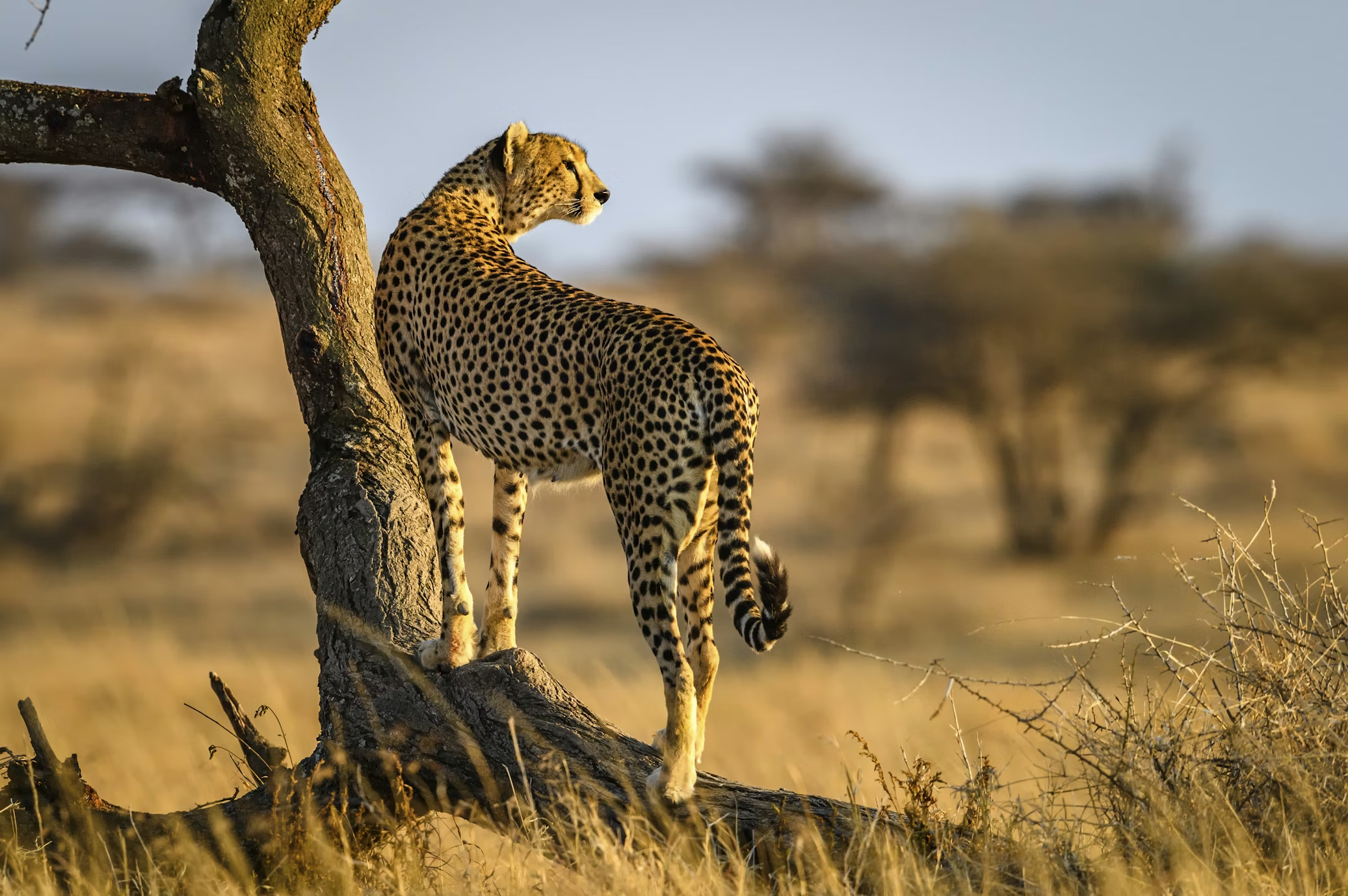
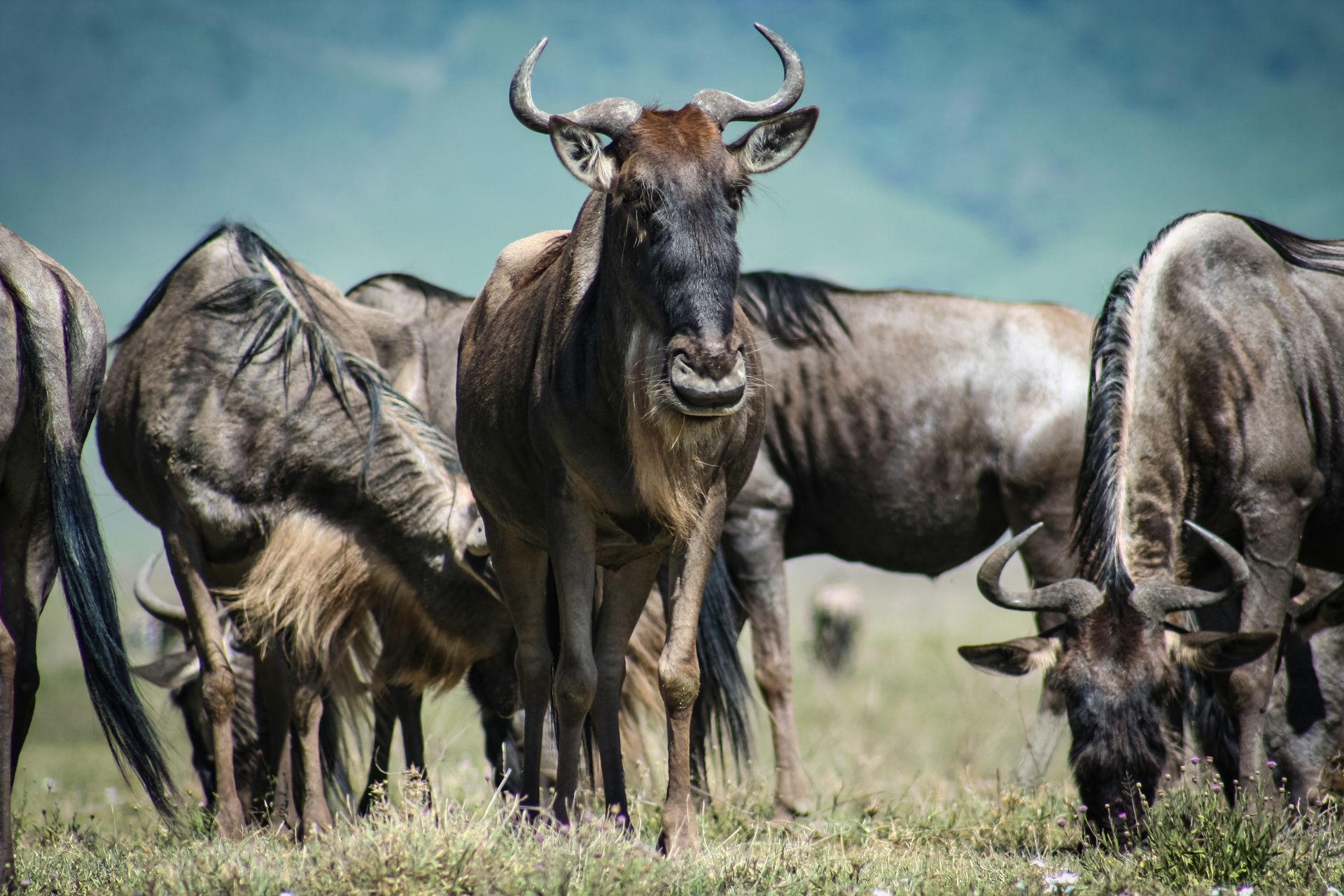
A Safari Circle Tanzania itinerary ranges widely from £6,000–£16,000 per person for 7–12 nights. That includes accommodation on a full-board basis, park fees, game activities, internal bush flights, and airport transfers.
Tanzania is generally more expensive than an equivalent Kenya safari at the same lodge tier. Higher park fees, greater internal flight distances and the concentration of ultra-luxury properties like Singita all contribute to the price variation.
Not included: international flights, travel insurance, Tanzania eVisa (USD $50), and gratuities. Western Tanzania carries a significant cost premium due to charter flight logistics.
Honeymoon couples: A Serengeti safari paired with Zanzibar delivers the definitive safari and beach combination, with a 2–3 hour flight between the two.
Families with kids: The northern circuit is well set up for families. Private vehicles, fly-in logistics, and properties like the Four Seasons Serengeti make Tanzania more manageable than its scale suggests.
Returning safari travellers: If you’ve done the Masai Mara, Tanzania’s southern and western circuits offer something qualitatively different — genuine wilderness with almost no other vehicles.
Milestone celebrations: Exclusive-use properties like Singita Serengeti House or Greystoke Mahale accommodate small groups seeking something exceptional.
.jpg)
10-night Tanzania highlights: Tarangire → Ngorongoro → Serengeti → Zanzibar
Chem Chem Lodge, Tarangire / Manyara corridor — slow safari, elephant herds, baobab landscapes, walking, cultural visits and sundowners between two national parks.
Entamanu Ngorongoro, Ngorongoro Crater — crater-floor game drives, black rhino, Maasai encounters and highland views from one of Tanzania’s most dramatic safari settings.
Lamai Serengeti or &Beyond Serengeti Under Canvas, Serengeti — big cat tracking, migration game drives, kopje landscapes, optional balloon flight and classic Serengeti sundowners.
Zuri Zanzibar or Xanadu Villas, Zanzibar — Indian Ocean downtime, snorkelling, spice farms, Stone Town and a softer landing after the intensity of the bush.
Tanzania’s safari regions, the Serengeti, Ngorongoro, Tarangire, Ruaha, and Nyerere, are well-established tourism areas with strong safety records. The UK FCDO provides specific travel advice that Safari Circle monitors continuously.
Yes. Zanzibar is a 2–3 hour flight from the Serengeti and the natural pairing. A typical combination is 5–7 nights on safari followed by 3–5 nights on the coast. Pemba and Mafia islands offer quieter, diving-focused alternatives. All visitors to Zanzibar must purchase mandatory inbound travel insurance from the Zanzibar Insurance Corporation.
Seven nights is a realistic minimum for the northern circuit. Ten to twelve nights allows a safari-and-beach combination with Zanzibar or a deeper exploration adding the southern parks. Western Tanzania needs a dedicated three to four nights due to logistics and charter schedules.
UK citizens need a Tanzania eVisa. It costs USD $50 for a single-entry visa valid for up to 90 days. Apply online at visa.immigration.go.tz at least 10 working days before travel. Your passport must be valid for at least six months after arrival.
UK travellers flying direct from non-endemic countries do not need a yellow fever certificate. It is required if transiting through a country classified as at risk - relevant if your routing includes Nairobi or Addis Ababa. Malaria prophylaxis is strongly recommended for all safari regions. Consult a travel health clinic at least 6–8 weeks before departure.

As an independent partner of 360 Private Travel, eligible flight-inclusive holidays booked through us are financially protected by 360 Private Travel Ltd under the UK ATOL scheme, ATOL number 7514. 360 Private Travel Ltd is also IATA accredited under IATA number 91200056.
Qualifying flight-inclusive holidays are financially protected under the UK ATOL scheme, where applicable. You will receive an ATOL Certificate confirming the protection covering your individual booking.



.png)

