Major Safari Regions
Available Lodges
Peak Season
Price Range (per person)
Zambia is where the walking safari was born — and where the quality of guiding still defines the experience more than the game count. In 1950, Norman Carr built the first photographic safari camp in the South Luangwa Valley and took guests into the bush on foot instead of behind a rifle. That ethos runs through everything here. I’ve walked South Luangwa at dawn with a guide who read the bush like a language, paddled a canoe past elephants drinking on the Lower Zambezi, and watched wild dog hunt across the Busanga Plains with nobody else for kilometres. Four safari regions span leopard-dense riverine woodland, wide Zambezi floodplain, and one of Africa’s largest and least-visited national parks. For returning safari travellers who want depth over density, and for anyone who believes the guide matters as much as the sighting, Zambia delivers something East Africa’s busier parks cannot.
Zambia’s safari season is tighter than East Africa’s. June to October is the dry season and the window when walking safaris, game viewing, and bush camp access are at their peak. Vegetation thins, animals concentrate at water, and the guiding is at its sharpest. This is also when prices are highest and camps book 6–12 months ahead.
September and October are the hottest months but deliver the strongest game concentrations. Daytime temperatures above 40°C are common in the Luangwa Valley, but early-morning walks and late-afternoon drives work around the heat.
November to May is the rainy season. Many bush camps close entirely — roads flood, rivers rise, and access becomes difficult. Some lodges near Mfuwe in South Luangwa stay open year-round, and the emerald season brings extraordinary birding (over 740 species) and newborn wildlife. But for a walking safari, June to October is non-negotiable.
Victoria Falls is at peak flow from February to May — the opposite calendar to safari season. A combined trip works in June or July, when water levels are still impressive and the parks are fully open.
For UK families: July–August school holidays align with peak dry season. October half-term catches excellent late-season game viewing. Easter falls in the wet season and is not reliable for most safari regions.

Walking safaris are Zambia’s signature. South Luangwa offers everything from morning bush walks to multi-day camp-to-camp treks with mobile tented camps. Minimum age is typically 12–16 depending on the operator and format. Zambian walking guides hold some of Africa’s highest qualifications — the ZAWA licensing system requires years of field training.
Game drives in open 4x4s run across all parks. Night drives with spotlights are permitted in South Luangwa and the Lower Zambezi — essential for leopard. Canoe safaris operate on the Lower Zambezi and the upper Zambezi near Livingstone. Motorboat safaris run on both rivers.
Hot air balloon flights operate over the Busanga Plains in Kafue (seasonal, July–October). At Victoria Falls: bungee jumping, white-water rafting, helicopter flights, and the Devil’s Pool swim are all available.

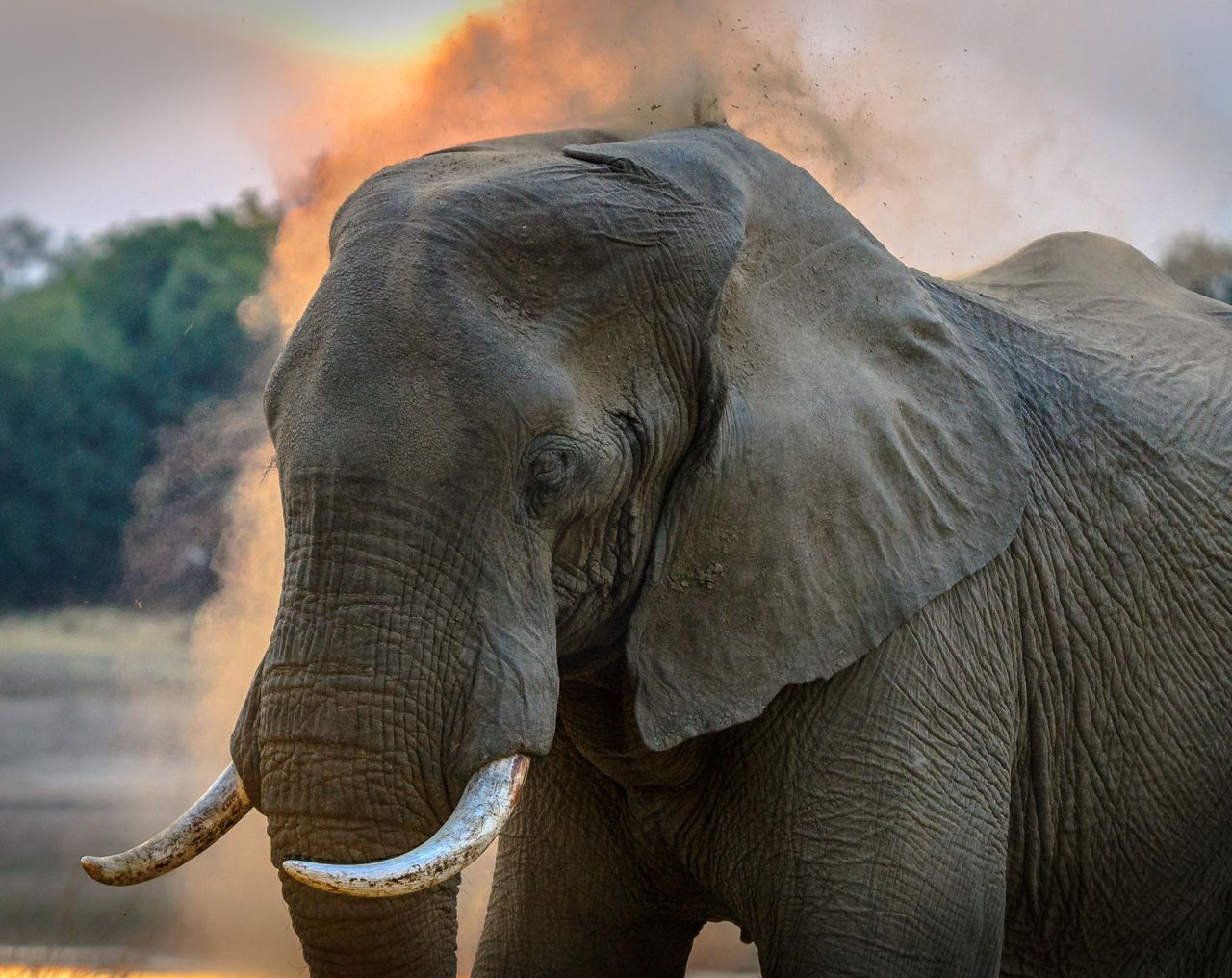
A Safari Circle Zambia itinerary typically costs £8,000–£15,000 per person for 7–12 nights. That includes accommodation on a fully inclusive basis, internal light aircraft flights between parks, park fees, and guided activities.
Zambia’s pricing sits between Kenya and Botswana. The intimate camp sizes (4–12 guests is common) and remote fly-in access push per-night rates higher than East Africa, but below the Okavango Delta’s premium tier. Camps like Old Mondoro and Chinzombo command £800–£1,500+ per person per night.
Not included: international flights (London–Lusaka via one connection, approximately £500–£800 economy return), travel insurance, Zambia eVisa or KAZA UniVisa (USD $50), and gratuities.
Returning safari travellers: If you’ve done the Mara, the Serengeti, or the Sabi Sands, Zambia’s walking safaris and guide-led immersion offer a register no game drive can replicate. South Luangwa’s leopard encounters rival anything in Kruger — and you’ll share them with fewer vehicles.
Honeymoon couples: Bush camps with four to eight tents, campfire dinners under the stars, and dawn walks through the Luangwa floodplain. Zambia offers romance built on intimacy and wilderness, not resort infrastructure. Combine with Victoria Falls for a natural counterpoint.
Families with teenagers: Walking safaris unlock at 12–16 depending on the operator — the age threshold that separates a game-drive holiday from a genuine bush education. Canoeing, night drives, and Victoria Falls activities round out the range.
Milestone celebrations: Exclusive-use properties like Chongwe River House (8 guests) or Old Mondoro (10 guests) accommodate small groups in total privacy. A 50th birthday spent walking the Luangwa Valley is a different proposition from a lodge-based celebration
.jpg)
10-night Zambia highlights: South Luangwa → Lower Zambezi → Victoria Falls
Time+Tide Chinzombo, South Luangwa — walking safaris, night drives, leopard tracking, Luangwa River sundowners.
Chiawa Camp, Lower Zambezi — canoe safaris, game drives, motorboat excursions, tiger fishing.
Thorntree River Lodge, Livingstone — Victoria Falls, sunset Zambezi cruise, Devil’s Pool (seasonal).
Yes. UK citizens require a visa. A single-entry eVisa costs USD $50 and can be applied for online at the Zambia eVisa portal. If combining Zambia with Zimbabwe (for Victoria Falls from both sides), the KAZA UniVisa costs USD $50 and covers both countries with unlimited crossings for 30 days, plus day trips to Botswana. Your passport must be valid for at least six months.
Zambia’s safari regions have strong safety records. The national parks are well-managed and camps employ experienced guides. The UK FCDO provides specific travel advice that Safari Circle monitors continuously. Standard precautions apply in Lusaka and Livingstone.
A yellow fever vaccination certificate is required only if arriving from a country classified as at risk of yellow fever transmission. It is not required for direct UK routes via Johannesburg or Addis Ababa. Malaria prophylaxis is strongly recommended for all safari regions — Zambia carries high malaria risk year-round. Consult a travel health clinic at least 6–8 weeks before departure.
Yes — and it is the natural combination. Victoria Falls is a 90-minute flight from South Luangwa or a short flight from the Lower Zambezi. Most travellers add two to three nights at the falls at the start or end of a Zambia safari. The KAZA UniVisa covers both Zambia and Zimbabwe sides.
Seven nights is a workable minimum for one park plus Victoria Falls. Ten to twelve nights allows South Luangwa, the Lower Zambezi, and Victoria Falls — the classic combination. Adding Kafue extends the itinerary to 14 nights but delivers a genuinely different perspective.

As an independent partner of 360 Private Travel, eligible flight-inclusive holidays booked through us are financially protected by 360 Private Travel Ltd under the UK ATOL scheme, ATOL number 7514. 360 Private Travel Ltd is also IATA accredited under IATA number 91200056.
Qualifying flight-inclusive holidays are financially protected under the UK ATOL scheme, where applicable. You will receive an ATOL Certificate confirming the protection covering your individual booking.



.png)

